
When a house gets a lot of glass, solar shades are usually the first part of the envelope I specify after the windows themselves. They do a simple job: cut glare, tame heat gain, and keep a room from feeling like a fishbowl. In a Los Angeles remodel, that matters in west-facing rooms, upstairs offices, and any space where the TV fights the afternoon sun. The point is not to black out the room. The point is to control the light so the architecture still reads well and the space stays usable all day.
What solar shades actually solve
A good set of solar shades does three things at once. It keeps the view readable, it reduces harsh contrast on floors and walls, and it helps a room hold comfort without forcing the HVAC to work harder than it should. That sounds modest, but it changes how a house feels. People stop squinting at laptops. The sofa no longer bakes at 4 p.m. Screens become watchable without turning the room into a cave. If you live with tall sliders, corner glazing, or a lot of skylight spill, solar shades are often the cleanest fix because they solve the problem at the glass instead of trying to compensate later with furniture placement or lamps.
Where they earn their keep
I see solar shades pay off most in rooms that need daylight and privacy at the same time. Kitchens are common. So are home offices, family rooms, and primary bedrooms with big street-facing windows. In a modern plan, they also work well where the lighting design depends on controlled daylight, not constant artificial light. The details matter: a north-facing room usually needs less aggressive fabric than a west-facing room, and a room with oak floors will show glare differently than one with matte concrete or plaster. If the room’s main problem is heat, the shade still helps, but it should be paired with the right glass and a sensible cooling plan. That is the system view. You do not ask one layer to do every job.
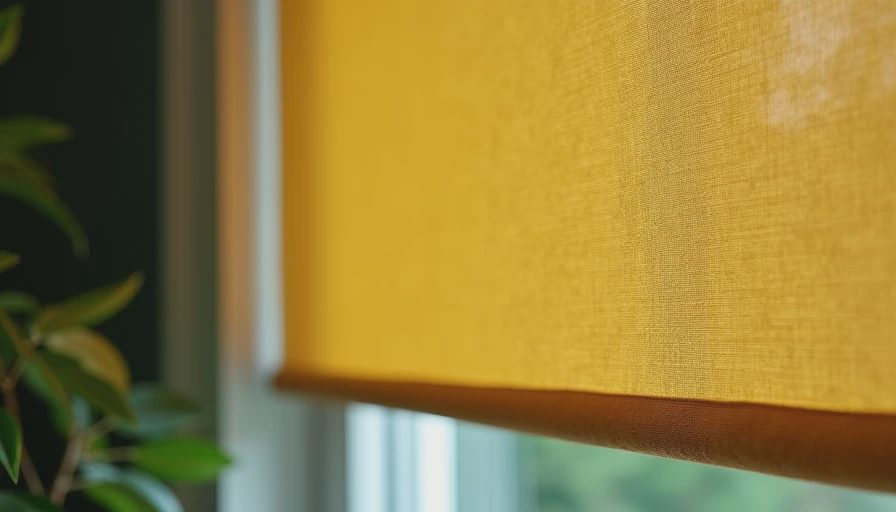
Fabric choice is where most mistakes happen
This is where projects drift. People see a sample on a desk and assume the room will behave the same way. It will not. The openness factor changes everything. A 1 percent fabric gives more privacy and glare control, while a 3 or 5 percent fabric keeps more of the view and more daylight. Darker fabrics usually reduce glare better because they absorb more light. Lighter fabrics can feel softer in the room, but they often reflect more daylight back toward the glass. For south- and west-facing openings, I usually care more about glare control than about preserving every ounce of transparency. If the opening looks great but the sofa becomes unusable at 3 p.m., the spec missed the point. Solar shades are about behavior, not just appearance.
The system details that make them feel built in
In a renovation, the best solar shades are planned before drywall closes. That gives you cleaner power, neater control wiring, and a better chance of hiding the hardware line so the window still looks architectural. Manual chains and dangling pull cords are fine in a spare room, but they are not what people want after they live with a finished house for six months. Motorization makes the daily routine easier, especially on tall openings or groups of windows that need to move together. The logic is simple: if it takes too much effort, people stop using the shades. When that happens, the room drifts back to glare, heat, and closed-off furniture arrangements. A good control scene can lower them at sunset, raise them for morning light, and keep the house feeling intentional instead of reactive.
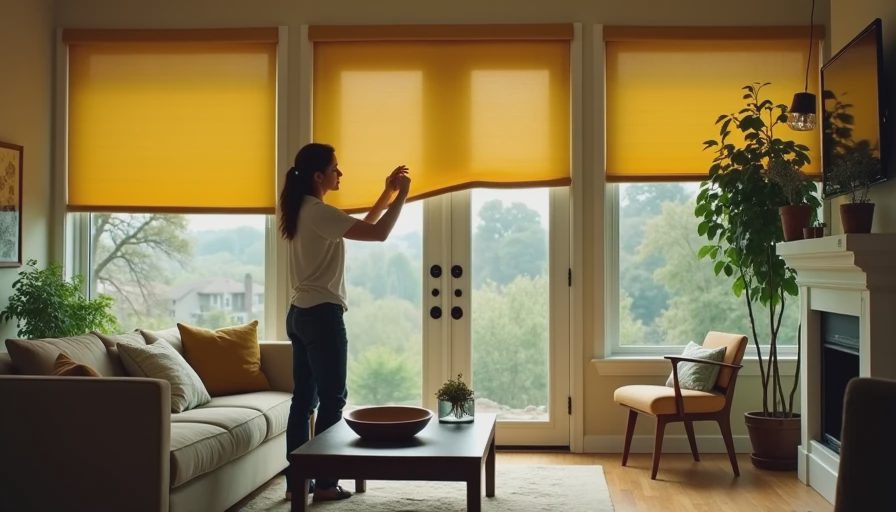
What fails by year three
The weak point is usually not the fabric. It is the decision-making around the fabric. Too much openness in a room with direct sun, and the whole room still feels bright but uncomfortable. Too little openness in a view room, and people complain the shades feel like a compromise they did not want. Another common miss is forgetting how the rest of the envelope performs. If west glass is already dumping heat into a room, solar shades help, but they do not replace a decent cooling strategy or a window spec that was chosen with the sun path in mind. By year three, the homes that still feel good are the ones where the shades were treated as part of the architecture, not an add-on after the paint dried.
A field rule that keeps the room honest
Stand in the room at the times when it is actually uncomfortable: late morning, late afternoon, and after sunset with interior lights on. Look at the window from the sofa, the desk, and the kitchen sink. If the fabric looks fine in one spot but creates a hard glow in another, the opening needs a different openness factor or a different color. I also pay attention to what sits in front of the glass. A glossy floor, a polished table, and a wall of white cabinets will bounce light differently than textured plaster and dark stone. That is why the same window treatment can feel right in one house and wrong in another. Good specs follow the room, not the catalog.
A simple way to specify them without overthinking it
If you are planning solar shades for a remodel, start with the room, not the sample book. Ask four questions. Where does the strongest sun hit? How much view do you actually care about preserving? Is glare on screens a daily problem? And do you want the shades to disappear into the routine through automation, or stay manual in a low-traffic space? Answer those honestly and the spec gets much easier. For most homes, the right solar shades are the ones you stop noticing because the room finally behaves. That is the standard I use. Not novelty. Not gadgetry. Just a window treatment that makes the space quieter, cooler, and easier to live in.