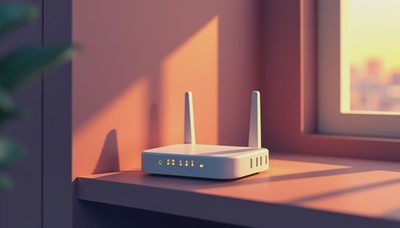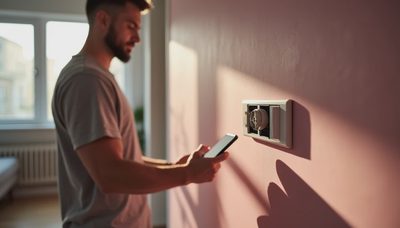
When a home is still open to the studs, I like to decide where motorized blinds belong before anyone hangs drywall. That is the moment to think like a system designer, not a shopper. If you wait until the furniture is in and the room is painted, the choices get narrower, the trim gets messier, and the final result usually looks like an add-on instead of part of the architecture. Done early, motorized blinds disappear into the room and do the quiet work people actually want: shade, privacy, glare control, and a cleaner line at the window.
The mistake I see most often is treating shades as a finishing touch. In reality, they affect wiring, wall depth, control locations, lighting scenes, and sometimes even the HVAC load on a west-facing room. A good plan does not start with fabric samples. It starts with the window schedule, the elevation drawings, and a clear answer to how the shades will be powered and controlled.
Start With the Window, Not the Gadget
The best installations begin with the opening itself. Deep window pockets, trim height, sill clearance, and the direction of the sun all matter more than the brochure language. If the headrail has nowhere clean to live, the room ends up with visible gaps, awkward brackets, or a stack that blocks too much glass. That is usually where people realize motorized blinds should have been considered while the framing was still flexible.
Power is the first fork in the road. Hardwired shades are cleaner long term, especially in a new build or major remodel, because you are not climbing a ladder to change batteries in six months. Battery options still have a place in retrofit work, but they are a compromise. They are fine for one or two windows. They are less fine when a whole house quietly becomes a battery management project.
The other decision is how the room will look when the shades are up. Some fabric stacks are compact; some are not. That detail changes the reveal at the top of the window and can even affect how crown or drapery is detailed. Good plans leave enough space for the hardware and do not rely on last-minute trim carpentry to hide a sizing problem.
Control Matters More Than Most People Think
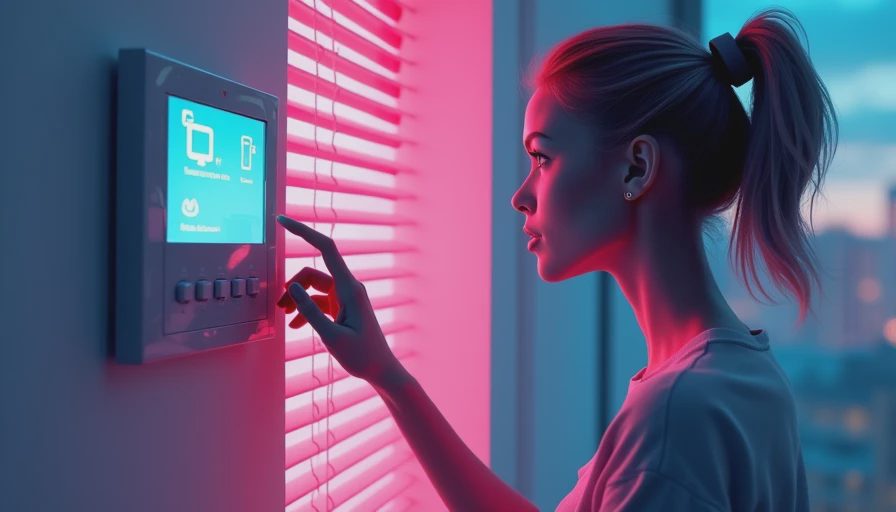
A lot of homeowners think the hard part is picking the fabric. It is not. The real question is whether the shades will be easy enough that people use them every day. If the only way to lower them is an app buried on a phone, the system will start strong and then fade. The practical sweet spot is a wall control, scheduled automation, and optional app access for overrides.
That is where motorized blinds earn their keep. In a bedroom, a single scene can lower the shades, dim the lights, and set the room for sleep. In a kitchen or family room, a midday scene can cut glare without making the space feel cave-like. In a home office, the right control can stop the monitor glare problem that drives people crazy by week two.
I also like simple grouping. If three windows face the same direction and take the same sun, they should usually move together. Separate control for each one sounds flexible, but in practice it creates friction. People stop bothering with a system that requires too many taps, too many labels, and too much thought.
What Fails After the Excitement Wears Off
By year three, the issues are rarely dramatic. They are small annoyances that add up. A shade that drifts out of sync. A motor that is louder than expected. A battery that dies at the wrong time. A fabric panel that was measured too tight and now rubs the trim. None of these is catastrophic, but each one chips away at trust.
The most common failure is overcomplication. A house with too many one-off controls becomes harder to live with, not easier. Another issue is pretending every window needs the same treatment. A high bathroom window may not deserve the same hardware as a west-facing great room. Some rooms need blackout. Some need glare control. Some just need privacy in the evening.
That is why I prefer a system that can survive ordinary life. Kids press buttons. Guests ignore instructions. Someone changes a scene. Someone else wants to open everything at once. If the setup cannot handle those real behaviors, it is too clever for its own good.
Room-by-Room Use Beats One-Size-Fits-All
Bedrooms usually deserve the most attention because sleep is the easiest place to feel a bad decision. Blackout fabric, quiet motors, and a simple sunrise schedule can change how the room functions. In a west-facing living room, the priority is often glare control in late afternoon, especially if the television or seating faces the glass. In a kitchen, I usually care more about preserving daylight than blocking it completely.
For bonus rooms and media spaces, the goal is different again. You want repeatable behavior, not a guessing game. When a room gets used for movies, naps, video calls, or homework, the shades should support those modes without making the owner think about them each time. That is the real test of motorized blinds: do they fit the room’s actual life, or just the rendering?
Bathrooms and secondary bedrooms are where simplicity pays off. If the window is small and privacy is the only job, a basic motorized treatment can be enough. The point is not to automate everything. The point is to automate the windows that matter.
Tie the Shades to Light and Heat Strategy
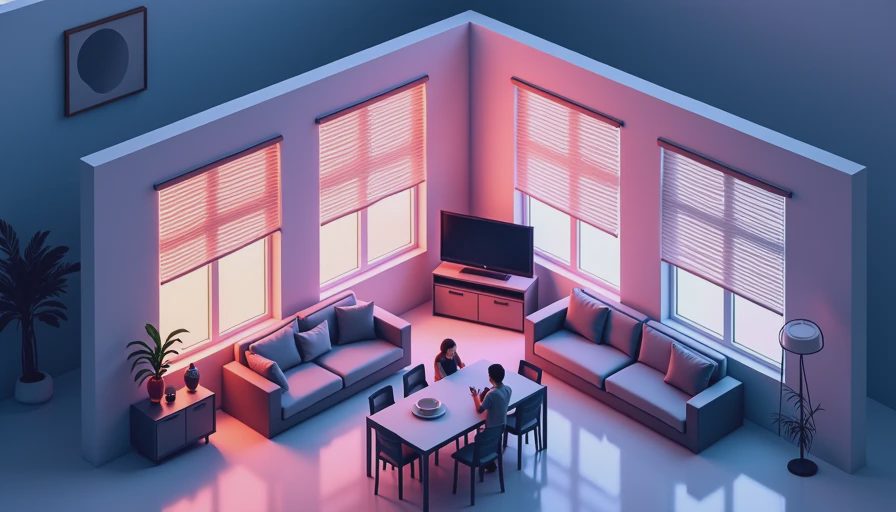
This is where the system starts to feel smart instead of merely remote-controlled. Sun exposure changes the load on the house. A room that gets hot in the afternoon asks for more than comfort; it asks for a plan. If the shades close before the heat builds up, the air conditioning does less work and the room stays more stable. That is especially useful in larger glass areas where the sun turns a bright room into a problem room by 3 p.m.
Light control matters in the opposite direction too. Morning sun can be great in a breakfast area but brutal in a bedroom. A well-tuned schedule can keep the house bright when people want brightness and soften the edges when the light turns harsh. This is where motorized blinds become part of lighting design, not a separate category.
The best homes do not ask people to remember all this. They build the logic into the scene. When the room is occupied, the shades behave one way. When the house is empty, they behave another. The homeowner gets comfort without managing a checklist.
A Simple Spec That Holds Up
If I were starting from scratch, I would keep it boring in the best possible way. Use hardwired shades wherever the walls are open. Keep the control method consistent from room to room. Group windows by exposure and use case. Test the open and closed positions before finishes are final. Make sure there is a clean manual override for the rare moment the system needs a reset.
I would also document the logic for whoever lives there next. A house with a clear shade strategy is easier to sell, easier to service, and easier to enjoy. That matters because the fancy part is not the motor. The fancy part is a house that behaves the same way every morning, every afternoon, and every night.
When motorized blinds are planned as part of the architecture, they feel inevitable. When they are added late, they feel like equipment. That difference is the whole game.