
If you're building or renovating, the honeywell thermostat should be treated as part of the climate plan, not as a last-minute wall accessory. I have seen too many projects where the HVAC, the controls, and the room layout were designed in separate conversations, then everyone wondered why a beautiful house still had hot bedrooms, cold hallways, and a schedule nobody trusted. The right approach is simple: decide how the house should feel, then make the thermostat, sensors, and equipment work toward that result.
Start with the system, not the screen
A thermostat is a command point, not a cure-all. If the house has poor duct design, undersized returns, or a single zone trying to cover a long floor plan, no interface will fix the basics. The best comfort comes from matching the control strategy to the equipment. That means knowing whether you have a conventional furnace and air conditioner, a heat pump, a variable-speed system, or dampers that create true zones. When those pieces are clear early, the rest of the design gets easier.
A honeywell thermostat earns its place when the system underneath it is planned with the same care as the finishes. In practice, that means wiring for a common wire where needed, leaving room for future sensors, and deciding whether the family wants simple scheduling or a more layered setup with occupancy and remote temperature input. If you wait until trim-out to ask those questions, the answer is usually compromise.
A good rule in my projects: control the whole house from the fewest places that still give honest comfort. More screens do not create better climate. Better load balancing does. If one bedroom overheats every afternoon because of west exposure, solve that with zoning, shading, or supply tuning before you blame the wall unit. The wall unit is where the plan shows up.

What matters in a renovation
The honeywell thermostat is most useful when it is part of the rough-in conversation. That is when you decide where the thermostat actually belongs, how the cable gets home, and whether the room it reads is a room people live in or a bad compromise near a foyer, stair, or sunny wall. I would rather move a thermostat location once on paper than three times after drywall. Placement affects everything: sensor accuracy, short cycling, and whether the room feels stable or twitchy.
Wiring is the other hidden issue. Many modern controls need a common wire, and many homes built before that expectation do not have one in the right place. If you are remodeling, pull extra conductors while the walls are open. It costs little in labor compared with opening finished surfaces later. The same logic applies to remote sensors. A hallway reading is not the same as a bedroom reading, and a west-facing primary suite needs different logic than a shaded office.
A honeywell thermostat can also sit inside a larger strategy that includes humidification, dehumidification, or separate zones for sleeping and living areas. That is where simple consumer thinking breaks down. The goal is not to show off features. The goal is to keep the system from fighting itself. If the thermostat is asking for cooling while a damp room needs dehumidification first, the house feels sticky even though the equipment is running. Good control keeps those conflicts from getting baked in.
Where projects go sideways later
The failures I see in year three are rarely dramatic. They are the slow frustrations that make people ignore the system. Someone stops using schedules because they felt fiddly. A sensor battery dies and nobody notices until the room is uncomfortable. A thermostat placed in direct sun starts calling for cooling when the rest of the room is fine. A smart feature that looked impressive in the showroom becomes another icon nobody taps. That is why I push for fewer moves and clearer logic at the start.
A honeywell thermostat should feel boring in the best way. It should be easy to understand, quick to adjust, and predictable enough that guests and contractors do not need a tour. If the house has a vacation mode, use it. If the family keeps waking up cold, simplify the setback. If the system runs constantly because the target is unrealistic, fix the equipment balance instead of pretending software will save the day. Comfort comes from a calm control loop, not a busy one.
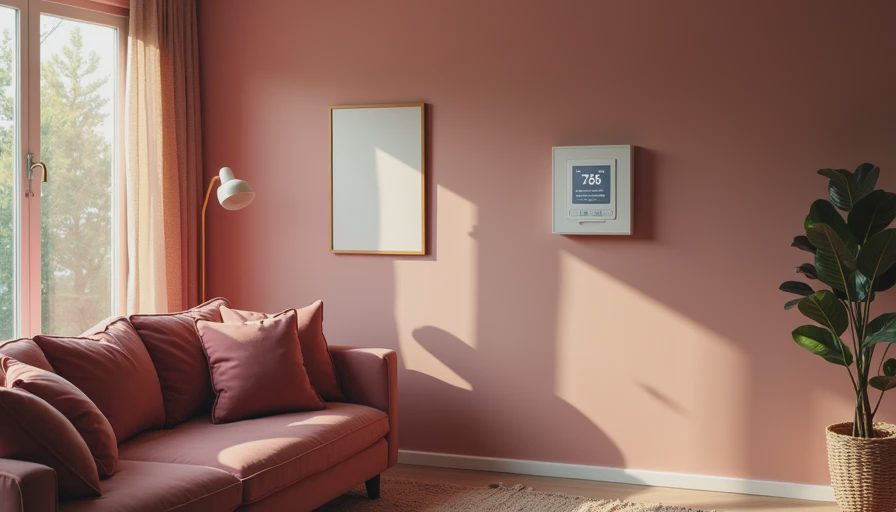
This is also where aesthetics and behavior collide. People care about what is on the wall, but they care more about whether the room feels right at 10 p.m. in August. In renovation work, I like to place controls where they are visible but not dominant, then tune the system so nobody has to think about them twice a day. The best compliment is that the family forgets the thermostat exists and still notices when the house is off by a degree or two.
Tying climate to the rest of the house
With the honeywell thermostat, I try to think about the house as one sequence, not a set of disconnected rooms. Morning shades can reduce solar gain before the air conditioner has to react. Lighting scenes can signal occupancy so a room does not stay in an aggressive setback. Security and climate can share a rough schedule for away mode. None of that needs to be complicated. It just needs to be planned early enough that wiring, sensors, and network access all line up.
In a well-designed home, climate control should support how people actually live. Maybe the kitchen and family room need a different profile from the bedrooms. Maybe the home office needs steadier temperature because someone works there all day. Maybe a guest room should recover quickly without heating or cooling the whole house. These are small decisions on paper, but they separate a house that feels tuned from one that feels generic. The thermostat becomes useful when it reflects those patterns instead of fighting them.
The same logic helps with serviceability. If a contractor needs to read the system months later, the labels should make sense, the wires should be documented, and the controls should not depend on guesswork. That is true whether the house is a compact renovation or a large new build. A cleanly installed thermostat does not call attention to itself. It just gives the equipment a sensible set of instructions and leaves the rest of the house alone.
A clean way to spec it
When I walk a client through climate planning, I start with four questions: what equipment is here, where is the sun, which rooms matter most, and how hands-on does the family want to be. The answers point to the right control style fast. If the house is simple, keep the interface simple. If the house has zones, sensors, or special loads, design for those from the beginning. The honeywell thermostat works best when it is matched to the level of complexity the home really needs, not the level of complexity a sales demo can show.
That is the real rule. Do not buy climate hardware first and hope the house fits it later. Build the house around a clear comfort strategy, then choose the control layer that supports it. If you are in the planning phase, pull the wiring now, place the sensors with intent, and decide how the system should behave when no one is thinking about it. That is how a good house stays comfortable without becoming a hobby.