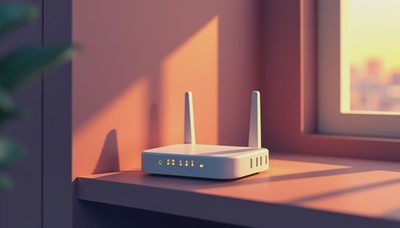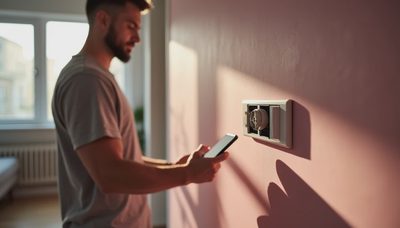
When I design a home, the first question I ask isn't about appliances or finishes. It's about where decisions are made when the internet drops. For many renovations, that answer is the Aeotec Smart Home Hub. It's not the flashiest device in the rack, but it might be the most important one. Let me explain how to think about it before you finalize your electrical rough-in.
What the Aeotec Smart Home Hub Does
The Aeotec Smart Home Hub is a small box that speaks Z-Wave and Zigbee, the two most common smart-home radios. It also runs the SmartThings platform, so it can control locks, thermostats, shades, leak sensors, and dozens of other devices without each one needing its own Wi-Fi chip. Instead of everything fighting for bandwidth, they report to the hub, and the hub makes the decisions. That single connection point brings order to the chaos of a modern smart home.
It also runs simple automations locally. A goodnight scene can lock the entry door, drop the thermostat, and turn off the lights even if your internet service goes down. That local control is the difference between a gadget and a system. When a cloud-dependent speaker fails, the basic rules of the house still run.
That said, the hub is not a media server or a video processor. It coordinates lighting, climate, security, and small scenes. For heavy audio or video, you pair it with dedicated hardware. Knowing those boundaries helps you plan the rest of your system rather than overloading one box.
Why a Dedicated Hub Belongs in a New Build
If you're doing a renovation, you have a once-in-a-decade chance to run low-voltage wiring and plan equipment locations. A hub changes the question from "which smart device?" to "how do I want this room to behave?" A morning routine can open the shades slowly, raise the hallway lights to 30 percent, and turn on the bath fan when humidity climbs. Clients who live with that for a week never go back to separate apps.
There is also the reliability angle. Wi-Fi devices compete with streaming and video calls for bandwidth. Z-Wave and Zigbee create a mesh network, so a signal can hop from one sensor to a nearby plug-in device. In a two-story floor plan with heavy interior walls, a dedicated hub usually outperforms a pile of Wi-Fi plugs. That's the kind of stability you want behind a wall you'll never see again.
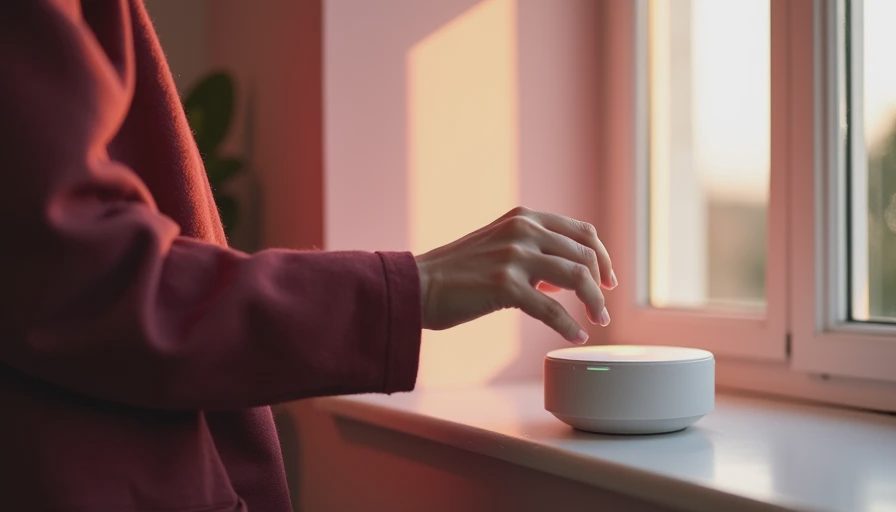
Planning for the Rough-In Phase
Plan the hub's home while the walls are open. Here are the four details that matter most.
First, choose a central closet or a structured wiring panel. Avoid a basement behind a concrete wall, which can block Z-Wave signals. Second, run Ethernet to that spot. A wired connection keeps the hub off Wi-Fi congestion and gives firmware updates a stable path. Third, install recessed door contacts and junction boxes before drywall goes up. A sensor that takes ten minutes to install now can take two hours to retrofit later. Fourth, add a small uninterruptible power supply so locks and core rules survive a power outage. Clients always thank me for that after the first big storm.
What Happens at Year Three
I have built and commissioned more than two hundred systems, and I can tell you what actually survives contact with real life. The hub itself, with clean power and good airflow, keeps running. The automations people use daily are the simple ones: morning scenes, away-from-home thermostats, and door lock alerts. Flashy voice commands fade, but the background rules become part of the house.
What fails is usually not the controller. It is the cheap Wi-Fi accessory that stops reconnecting, or the cloud service that gets discontinued. The Aeotec Smart Home Hub mitigates that because core scenes run on local control. If a manufacturer's cloud disappears, your door still locks at 10 p.m. because the schedule lives on the hub, not in someone else's data center.
Homeowners who skip a dedicated hub end up with five apps and a pile of Wi-Fi gadgets that forget their passwords. The homes that age well have a clear controller and a sensible network. The Aeotec Smart Home Hub is a strong fit for a mid-size house with a few dozen devices. For a full custom estate, you may need a more powerful central processor, but the same planning principles apply.
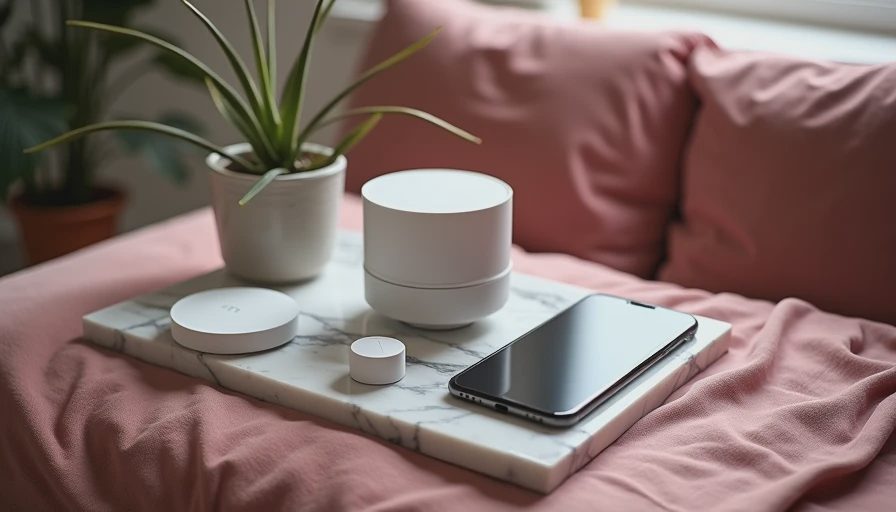
How to Decide for Your Project
If you are comfortable managing technology and your house is small to medium, the Aeotec hub can be a legitimate backbone. If you are committing to a large automation system with distributed audio, motorized shades across multiple floors, and complex scenes, work with an integrator who can design the whole system rather than stacking one hub on top of another. There is no shame in either path. The point is to make the decision before the drywall goes up.
Start by mapping every device you can imagine wanting in the next five years: lighting controls, thermostats, door locks, smoke detectors, leak sensors, shades. Then count how many of them use Z-Wave or Zigbee. If that list is longer than a few items, a dedicated hub belongs in your plan. The Aeotec Smart Home Hub is one of the most accessible ways to get that foundation in place. A little planning now saves a year of frustration later.