
Smart switches are one of the least glamorous decisions in a renovation, but they determine how natural the finished home feels every evening. I have walked through plenty of houses where the owner spent heavily on speakers, cameras, and automated shades, then left ordinary wall switches in the rooms people use most. The result is a collection of disconnected features rather than a home that responds as one system.
A well-designed switch does more than turn a light on. It establishes a reliable local control point, communicates with the lighting processor, supports scenes, and gives guests an obvious way to operate the room. That last point matters. A home should not require a phone, voice command, or explanation before someone can find the kitchen lights.
Start with the electrical plan, not the product catalog
The best time to think about smart switches is before drywall, while the electrical plan is still flexible. A lighting designer, electrician, and integrator should review the room layouts together. They need to decide which fixtures are grouped, where three-way controls belong, whether a ceiling fan needs separate control, and which circuits should remain independent.
This prevents a common mistake: selecting hardware after the boxes and wiring are already installed. A switch may require a neutral connection, a deeper electrical box, a specific load type, or a compatible dimming method. Older homes in Los Angeles often have shallow boxes, crowded junctions, and wiring conditions that change the recommendation. That is not a reason to avoid smart switches. It is a reason to identify the constraints early.
The plan should also distinguish between lighting that needs dimming and lighting that only needs on-off control. A hallway fixture may work perfectly with a relay, while a dining room chandelier deserves smooth, predictable dimming. Treating every circuit the same usually increases complexity without improving the experience.
What makes a switch reliable over time
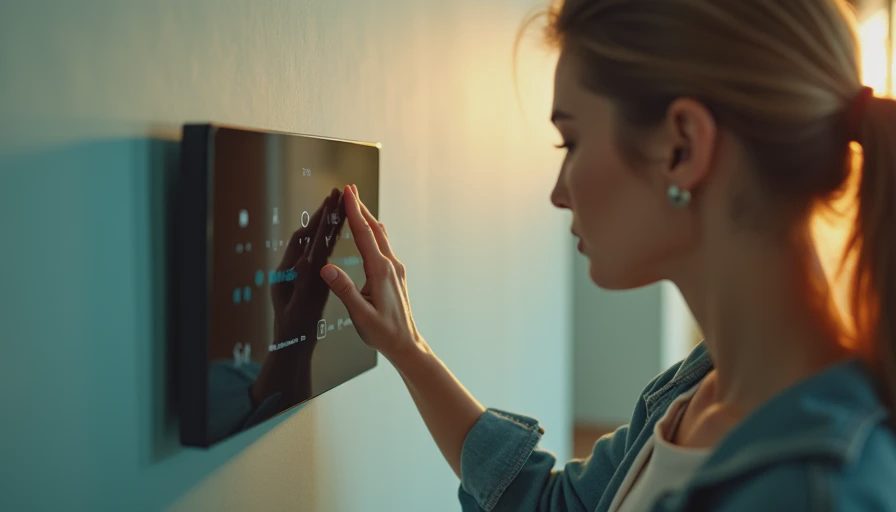
Reliability is not just whether a switch works on installation day. It is whether the paddle still responds when the internet is down, whether the dimming remains quiet at low levels, and whether the system can be serviced without dismantling half the wall. Good smart switches preserve local control while adding system-level intelligence behind it.
Look for consistent button behavior throughout the house. If one room has a spring-loaded paddle, another has a tiny touchscreen, and a third depends on a wireless scene controller, the home feels assembled rather than designed. Consistent tactile feedback is especially useful at night or when a guest is carrying something.
The control processor should also know the true state of the lighting. A basic connected bulb can appear available in an app while someone has switched off its power at the wall. Smart switches avoid that problem by controlling the circuit itself. They are generally the better foundation for recessed lighting, sconces, pendants, and other permanent fixtures.
At year three, this distinction becomes important. People stop opening apps for ordinary tasks. They reach for the wall control, tap a scene button, or use a familiar voice command. The physical interface is what keeps the system useful after the novelty fades.
Where smart switches earn their place
The highest-value locations are rooms with multiple lighting layers or frequent scene changes. A kitchen might have recessed cans, under-cabinet lighting, pendants, and an adjacent breakfast area. A single “all on” command is less useful than a coordinated cooking scene, dining scene, and late-night path scene. Properly configured smart switches make those combinations available without forcing anyone to manage each circuit separately.
Bedrooms benefit from the same approach. A bedside control can turn off the room, hallway, and selected downstairs lights without sending a command to the exterior or security lighting. In a primary suite, that might be paired with motorized shades and a temperature adjustment. The important design choice is not the number of automations; it is placing the control where a person naturally reaches for it.
Entry halls, stairways, and corridors also deserve attention. Occupancy sensors can turn lights on, but the wall control gives residents authority when they want a different result. In a home with artwork, high ceilings, or carefully selected color temperatures, that manual override protects the design intent.
Compatibility is a system question
A switch should be evaluated alongside the lighting load, control platform, and future service plan. Dimmable LED drivers are not all alike. Some buzz at low levels, some drop out below a certain percentage, and some require a compatible dimmer profile. A switch that behaves well with one fixture may perform poorly with another, even when both are labeled dimmable.
Smart switches also need to coexist with shades, climate control, security, and audio. A “movie” scene might lower the shades, dim sconces, adjust the thermostat, and pause hallway lighting. That only feels seamless when each device reports accurately and follows the same logic. Adding isolated devices one at a time can create an app collection, but it rarely creates a coherent home.
For larger projects, I prefer a wired backbone wherever practical and wireless devices where wiring is genuinely difficult. Wireless is useful for a finished wall or a remote scene keypad, but relying on it for every critical control adds more points to diagnose. A good design uses each technology for the job it handles best.
Avoid the most common design mistakes
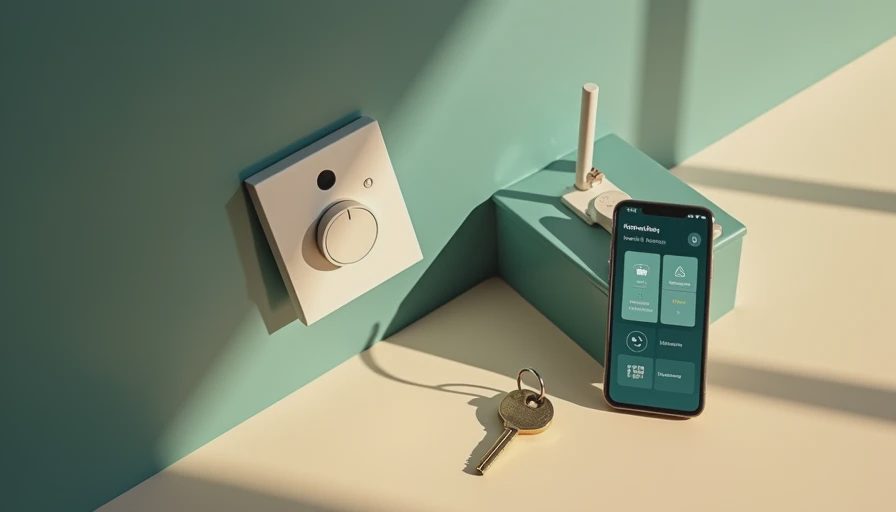
The first mistake is installing smart switches without a room-by-room scene plan. If nobody decides what “Goodnight” or “Away” should do, the hardware becomes expensive remote control. Write the everyday moments first: arriving home, preparing dinner, watching television, waking up, and leaving for work. Then decide which circuits belong in each moment.
The second mistake is overloading the wall with controls. A bank of six identical buttons may be technically capable but visually confusing. Group related functions, use sensible labels, and reserve dedicated scene controls for scenes people will actually use. In many rooms, three clear controls outperform eight programmable ones.
The third is forgetting service access. Document circuit names, device locations, load types, and processor connections. Keep that record updated after the final trim-out. When a fixture changes two years later, accurate documentation can save a service visit and prevent a well-meaning electrician from bypassing the control system.
Finally, do not automate every light simply because you can. A pantry or storage room may need a dependable occupancy sensor more than a complex scene. A guest room may need straightforward local control. The right system is selective, not maximal.
A practical specification for a renovation
Before ordering equipment, walk through each room and record the lighting layers, switch locations, control directions, and desired scenes. Note which circuits need dimming, which fixtures contain specialized drivers, and where a neutral wire or deeper box may be required. Include exterior lighting, garage approaches, and stair paths; those areas often become afterthoughts even though they affect daily safety.
Then review the plan with the electrician and integrator together. Confirm that the chosen smart switches fit the electrical boxes, support the connected loads, and communicate with the intended control platform. Test representative fixtures before purchasing dozens of devices. One sample chandelier and one sample LED driver can reveal a compatibility issue while the fix is still inexpensive.
The goal is not a wall full of technology. It is a home where the lights respond predictably, local controls make sense, and scenes connect lighting to the rest of the house. When specified at the planning stage, smart switches disappear into the architecture while quietly making the entire system easier to live with. If you are renovating, bring this conversation into the electrical plan before the first box is closed.