
In a well-designed house, smart home energy management is not a dashboard you open once a month. It is the quiet logic connecting climate, lighting, shades, appliances, batteries, and electric-vehicle charging so the home responds to real conditions. The best systems reduce waste without asking you to think about every kilowatt-hour. They also make the house feel better: fewer temperature swings, less glare, and fewer lights or mechanical systems running in empty rooms.
I see homeowners make the same mistake during renovations. They choose thermostats, lighting controls, solar equipment, and monitoring apps as separate purchases. Each product can work perfectly by itself, yet the finished house still has no operating strategy. A renovation is the moment to decide how energy should move through the property, before drywall closes the walls and electrical decisions become expensive to change.
Start With the House, Not the App
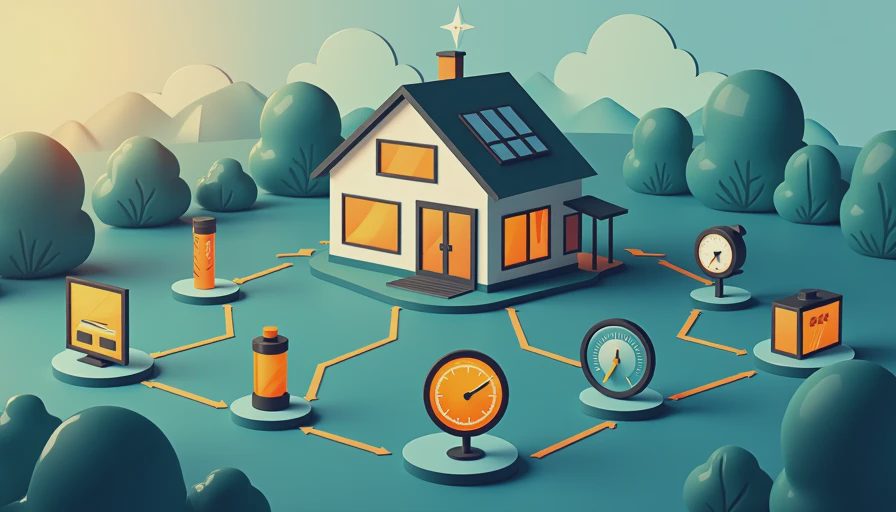
Smart home energy management begins with an inventory of the home’s actual loads. That means documenting HVAC equipment, water heating, pool pumps, kitchen appliances, lighting circuits, ventilation, garage equipment, and any future electric vehicle. A 200-amp service panel tells only part of the story. The more useful question is what can run together, what can be delayed, and what must remain available during an outage.
During design, I separate loads into three groups. Essential loads include refrigeration, networking, security, selected lighting, and medical equipment where applicable. Flexible loads include laundry, water heating, battery charging, and pool filtration. Comfort loads include heating, cooling, shades, and lighting scenes. This structure gives the control system useful priorities instead of a long list of disconnected devices.
A home in Los Angeles might have strong solar production at midday but its largest cooling demand later in the afternoon. Without coordination, the house exports energy earlier and draws power when the sun is lower. With a properly planned system, pre-cooling, shade control, and battery strategy can work together. The result is not simply lower consumption; it is better timing.
Make Climate Control the Foundation
Heating and cooling usually deserve more attention than decorative automation because they operate for hours and affect every room. Multi-zone HVAC can divide the house into practical areas, but zoning alone does not guarantee efficiency. Poorly located sensors, oversized equipment, and doors that stay open can undermine the design.
The control layer should understand occupancy, outdoor temperature, solar exposure, and the difference between a bedroom wing and a sunlit living room. Motorized shades are part of that strategy. Closing shades before a west-facing room overheats can reduce the cooling burden without making the room feel sealed off. Opening them on a cool morning can provide useful daylight and warmth before mechanical systems engage.
I prefer simple, readable rules. If the house is unoccupied for a sustained period, adjust the temperature moderately rather than shutting everything down. If a room receives direct afternoon sun, lower the shades and modify cooling before the room becomes uncomfortable. If a window is open, pause the affected zone rather than turning off the entire home. These rules are more dependable than an elaborate collection of motion triggers.
Coordinate Solar, Storage, and Large Loads
Solar panels produce energy; they do not automatically produce a coherent energy plan. A battery can provide backup and shift usage, but its value depends on how the house is wired and operated. The same is true for an electric vehicle charger. If the charger starts at the same time as a heat pump, induction range, and water heater, the electrical system faces a predictable peak.
Smart home energy management can schedule flexible loads around solar production or utility rate periods. A charger might run overnight, during a lower-cost window, or during the middle of the day when rooftop generation is strong. A heat-pump water heater can recover at a scheduled time rather than competing with dinner preparation. These choices should be made with the homeowner’s routine in mind. An automation that delays a necessary task every day will eventually be disabled.
Backup planning requires the same discipline. Decide whether the goal is keeping the whole home operating normally or preserving a smaller set of essential circuits. A refrigerator, Wi-Fi network, security system, garage door, and selected lighting often provide meaningful resilience without treating every load as critical. The electrician, solar contractor, and integrator need to agree on this architecture before installation.
Use Measurement to Find Real Waste
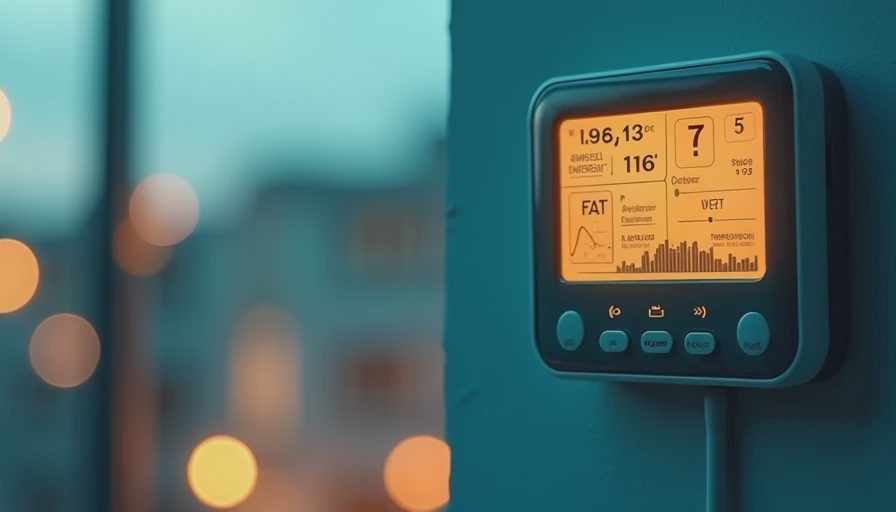
Energy monitoring is useful when it leads to a decision. Whole-home data can show unusual overnight consumption, while circuit-level monitoring can identify a pool pump, electric resistance heater, or aging appliance that runs longer than expected. The point is not to stare at graphs. The point is to establish a baseline, change one behavior or setting, and see whether the result is meaningful.
For example, a homeowner may discover that the house uses substantial energy between midnight and 5 a.m. That could come from an always-on server, a water heater recovery cycle, a circulation pump, or HVAC equipment serving an incorrectly configured zone. Each cause requires a different correction. A smart plug on a small device will not solve a mechanical scheduling problem.
I also recommend exposing useful information in the interface without turning the home into a utility control room. A simple energy screen might show current demand, solar production, battery status, and whether the EV is charging. Alerts should be reserved for conditions that deserve attention, such as an unusual load or a battery nearing a reserve threshold.
Design for the Third Year, Not the Demo Day
Many systems look impressive during commissioning and become annoying later. The problem is usually too much automation, not too little technology. Homeowners stop using controls that require several taps, produce unexplained changes, or conflict with ordinary habits. A smart home should still behave sensibly when the network is unavailable or a family member uses a physical switch.
Smart home energy management should therefore include manual control, local fallback behavior, and clear naming. “Kitchen east pendants” is more useful than “Load 14.” A physical shade button should still work if the central processor is offline. Temperature changes should have obvious consequences instead of mysterious delays. Service documentation should identify equipment, circuits, network locations, and backup behavior so another professional can understand the installation years later.
This is also where a simpler approach often wins. If a single heat-pump water heater has a good built-in schedule, it may not need a custom automation. If a battery system already handles outage priorities reliably, do not add a second layer that creates competing commands. Integration earns its keep when it connects decisions across systems, not when it adds a screen to every appliance.
A Practical Planning Sequence
Begin during schematic design with a load schedule and a conversation about daily routines. Identify which rooms need independent climate control, where afternoon sun creates heat, and whether an EV or battery is likely within the next several years. Then coordinate electrical circuits, panel capacity, network pathways, sensor locations, and equipment access before the rough-in.
Next, define the operating priorities in plain language. For instance, preserve refrigeration and security during an outage, charge the vehicle during a preferred window, protect indoor comfort when the house is occupied, and reduce unnecessary conditioning when it is empty. Those statements become useful requirements for the electrician, HVAC contractor, solar installer, and integrator.
Finally, commission the system through real scenarios rather than a showroom demonstration. Test an occupied weekday, an empty weekend, a hot afternoon, an open window, a utility outage, and a vehicle charging cycle. Confirm that manual controls work, alerts are understandable, and the house returns to normal after each event. That testing is where smart home energy management becomes a dependable part of the architecture instead of another collection of gadgets.
The strongest result is almost invisible. Rooms stay comfortable, equipment runs at sensible times, and the homeowner sees enough information to make good decisions without managing the house constantly. Plan the system early, keep the logic understandable, and connect only the controls that improve the way the home is actually lived in.