When clients ask whether a zwave switch belongs in a renovation, I start with the room, not the device. A zwave switch is useful when wall control matters, the circuit should behave like a normal light, and you want automation without teaching every guest a new habit. In practice, that makes it a strong fit for recessed cans, hallways, kitchens, bedrooms, and other spaces where people still expect the wall to do the obvious thing. It is not the answer for every lamp, every fixture, or every control point. The real job is deciding where the switch should be part of the electrical plan and where a different layer of control makes more sense.
Why wall control still wins
A zwave switch earns its place because wall control is the one interface everybody understands. The app can be perfect and the voice assistant can be impressive, but the wall paddle still gets used when someone is carrying groceries, getting out of bed, or walking into a dark hallway. That is not a lifestyle preference, it is human behavior. Good systems respect it.
Z-Wave also has a practical advantage in homes with a lot of walls, corners, and distance between devices. It is a mesh protocol, which means devices can help extend the network, and it tends to work well for lighting hardware that lives inside electrical boxes instead of on a table. When the house is wired cleanly, the result feels simple: press the switch, the room responds, and nobody thinks about the machinery behind it.
A zwave switch is also easier to live with than a setup that depends on separate smart bulbs in every fixture. If a fixture has four lamps, you do not want four little computers doing the work of one wall control. You want one device managing the load and one familiar place on the wall where the room can be turned on or dimmed.
Where it beats smart bulbs
A zwave switch is the cleaner move when the fixture itself is not supposed to be the star. Recessed cans, vanity lights, exterior sconces, pantry lights, and most general lighting want dependable on-off behavior more than color tricks. If the room uses standard dimmable LED lamps and nobody needs tunable white or RGB color, the wall switch usually gives you a better result than putting intelligence in each bulb.
The other reason I lean toward the switch is maintenance. Smart bulbs are useful in the right spots, but they add failure points and they can create confusing moments when someone turns off power at the wall and the bulb disappears from the system. That is one of the most common frustrations I see after the novelty wears off. The homeowner does not remember which lamp was supposed to stay powered, and the family stops trusting the room.
In a remodel, I pay close attention to the rooms that get heavy daily use. Kitchens, mudrooms, primary bedrooms, and long circulation paths do better when the control is obvious and the lighting behavior is stable. A zwave switch makes that easier because the room still feels like a normal room. It is just a better version of normal.
Wiring details that decide the result
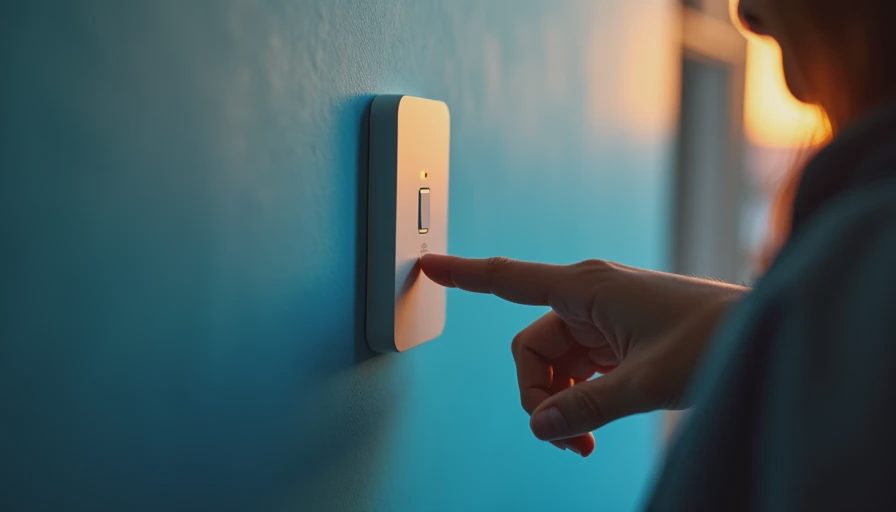
A zwave switch only feels premium when the electrical details are handled early. The first thing I want to know is whether the box has a neutral conductor, because many smart switches need one and some older homes do not have it in every location. The next question is box depth, especially in multi-gang locations where the electrician is fitting several devices into the same opening. Tight boxes create heat, crowd wires, and make future service harder.
Load matching matters too. A dimmer that is happy with one LED lamp might flicker with another, even if the packaging says the load type is compatible. That is why the lighting spec and the switch spec should be treated as one decision. If the room uses low-wattage LED downlights, make sure the dimming curve is clean and the transformer or driver setup is known before drywall closes up. No one wants to troubleshoot flicker after the paint is on.
Three-way and four-way circuits deserve special care. If two walls can control the same light, decide how that behavior should work before the trim-out stage. Sometimes the right answer is a smart switch at one location and a companion control at the other. Sometimes the answer is a complete rework of the circuit so the room behaves consistently from every entry point. Either way, the plan should be intentional, not improvised at the end.
What usually fails in year three
The hardware is not usually the problem. The problem is the mismatch between the electrical plan and the way a family actually lives. By year three, the weak link is often a room full of mixed lamps, a dimmer set for the wrong load, or a control scheme that made sense on paper but never felt natural in the house. People stop using scenes they cannot remember, and they go back to the plain wall control they trust.
A zwave switch should not have to fight the room. If the kitchen island lights are on one circuit, the pendants on another, and the undercabinet strip is on a third control system, someone will eventually decide the house is fussy. That is when good intentions turn into support calls. The fix is usually to simplify, not to add another layer of automation.
This is also where finish consistency matters. Homeowners notice when one room has a clean, quiet paddle and another room has a different feel or a poorly matched dim level. The house starts to read as assembled instead of designed. That is a real problem in a renovation, because the electrical devices are visible every day whether anyone talks about them or not.
How I would spec it in a renovation
When I am planning a remodel, I treat a zwave switch as part of the lighting architecture, not as a gadget purchase. That means deciding which fixtures are switched, which ones are dimmed, where the wall controls sit, and which rooms need local control that still makes sense if the automation layer is offline. If that sounds basic, it is, and basic is usually what survives the longest.
I also like consistency. A house feels calmer when the major control points use the same logic from room to room. If a guest can walk into the kitchen, primary suite, or hallway and understand the wall in five seconds, the system is doing its job. If every room asks for a different explanation, the house will never feel finished, no matter how sophisticated the backend is.
The best time to decide on a zwave switch is before rough-in is locked. That is when box size, neutral availability, three-way behavior, and fixture type can still be changed without pain. Once drywall is up, every workaround becomes more expensive in time and in patience. If you are in the planning phase now, that is the moment to get the lighting logic right and build the rest of the smart home around it.