Most discovery calls start with a product question. Which lighting system? What brand of shades? Can I control everything from my phone? I don't answer any of those questions until I've asked mine first. It's the one question that separates a house that works from a house that's just full of technology, and it's never about budget.
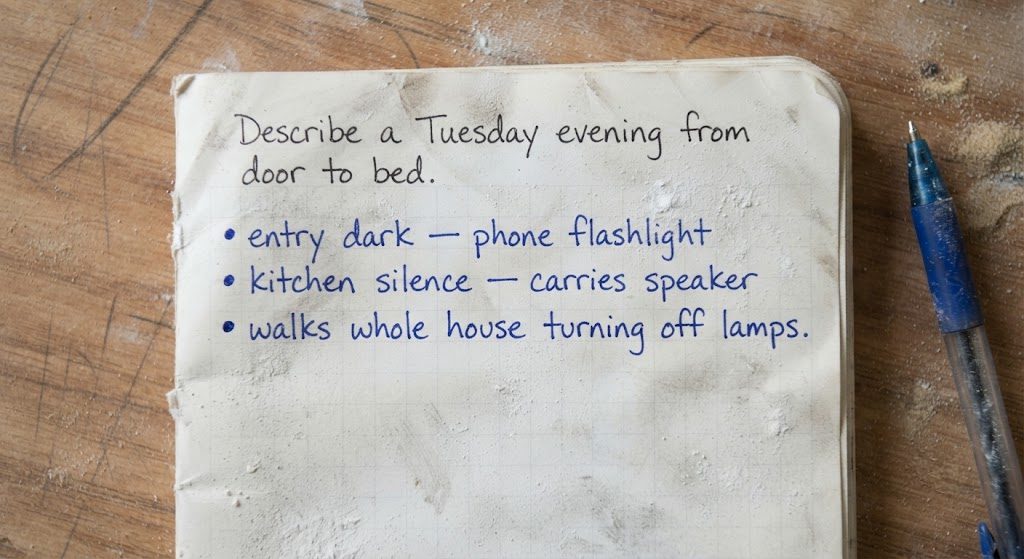
"Describe a Tuesday evening in your house. From the moment you walk in to the moment you fall asleep."
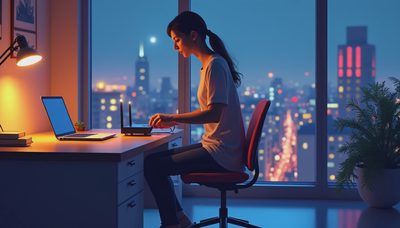
The first time a client hears it, they usually pause. It feels too simple. Too personal. But within thirty seconds, they're telling me things a spec sheet never could—about the hallway that's always too dark when they come home, about the kid who wakes up if the bathroom light spills under the door, about the way they make coffee at 5:45 a.m. before anyone else is up. That's the real brief. Everything we design flows from that single Tuesday evening.
Why a Tuesday?
Tuesday is the most honest day of the week. No weekend houseguests, no Friday-night dinner parties, no Sunday-morning laziness. Tuesday is the day the house needs to perform without ceremony. If the system works on a Tuesday, it works when it counts.
The Walk-In Scene
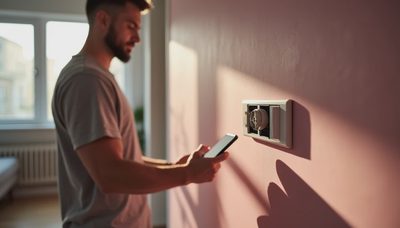
I listen for the first thirty seconds after the front door opens. Does the client fumble for a switch? Does the entry feel cold? Is there a moment of darkness before a light finally comes on? One client told me she always walked into a dark house carrying groceries, and she'd learned to balance her phone flashlight under her chin while unlocking the door. She'd lived with that for three years. That single detail gave us the design for an entry scene triggered by the deadbolt—overhead lights to 60% at 3000K, a floor lamp in the living room fading up, the thermostat bumping two degrees. No app, no voice command. Just a door unlocking.
The Evening Rhythm
After the entry, I trace the client's path through the house. Kitchen first, usually. They start dinner, and I ask what they're hearing—silence, a podcast, music from a speaker they carry room to room? If it's silence, I don't push whole-home audio. If they're already carrying a Bluetooth speaker, that tells me we need in-ceiling speakers in the kitchen and a way for that audio to follow them to the dining table. The system should support the rhythm they already have, not invent a new one.
The Wind-Down and the Wake-Up
The last hour before sleep is where lighting matters most. I ask about the transition from evening to night: when do they dim the lights, and how? One client described walking through the entire downstairs turning off lamps one by one like a ritual. That walk became a single "Goodnight" button by the master bed that shuts off every light, lowers the shades, and sets the alarm. In the morning, the shades in the kids' rooms open ten minutes before the alarm, and the master bath floor warms to 82 degrees. None of that comes from a feature list. It comes from a Tuesday.
The right question, asked at the right time, does the work of a fifty-page design brief. The product decisions come later, and by then, they're obvious. You can't choose the right switch until you know which finger reaches for it in the dark.