A stereo system is rarely just two speakers and an amplifier anymore. In a renovation or new build, it can become part of the architecture: present when you want music, invisible when you do not, and simple enough that every member of the household uses it. The important decisions happen before drywall, not after the furniture arrives.
I have seen homeowners spend weeks choosing finishes and only a few minutes deciding where audio belongs. That usually produces visible speakers, weak coverage, awkward controls, and wiring that is expensive to correct. A better stereo system starts with how people move through the house, where they sit, and what kind of listening actually happens there.
Start with rooms, not equipment
The first question is not which receiver to buy. It is where music will be used. A kitchen often needs even, moderate-volume background audio while someone is cooking. A living room may need focused listening from a sofa. A patio requires weather-resistant equipment, thoughtful volume control, and protection from direct exposure. Those are three different design problems.
For each space, consider whether the goal is background music, focused listening, television audio, or all three. A stereo system designed for casual listening does not need the same speaker layout as a dedicated media room. Similarly, ceiling speakers can be excellent in a kitchen but less satisfying for a serious listening room, where speaker position and imaging matter more.
I also ask clients what they use today. If music usually comes from a phone speaker while someone gets ready, a high-end component rack will not automatically change that habit. The system should reduce friction. One tap from a wall keypad, remote, or home control interface is more valuable than a feature nobody remembers how to access.

Choose the right speaker strategy
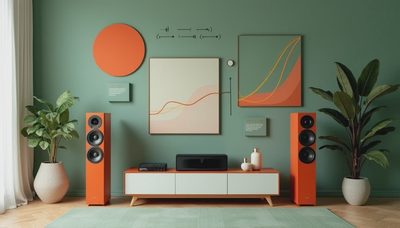
There are three common approaches. A visible stereo pair gives the strongest sense of left-right imaging and usually makes the most sense in a room where music is an activity. In-wall speakers preserve floor space and can look exceptionally clean when installed with care. In-ceiling speakers distribute sound broadly and disappear into the room, making them useful for kitchens, hallways, bedrooms, and open-plan areas.
None is universally superior. A stereo system with in-wall speakers can sound excellent, but the wall cavity, speaker height, listening position, and finish all matter. In-ceiling speakers can fill a room pleasantly, but they are not automatically a replacement for properly positioned front speakers. If the same pair of speakers must serve music and television, the layout needs to support both rather than compromise each one.
Speaker placement should be coordinated with lighting, HVAC registers, beams, doors, artwork, and cabinetry. A speaker that lands behind a cabinet door or directly beside a noisy air vent was not properly designed, even if the product itself is excellent. During framing, I prefer to mark every speaker, keypad, rack location, and service path before other trades close the walls.
Plan wiring before the walls close
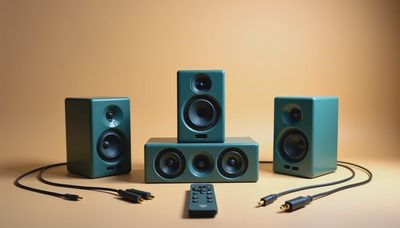
Wireless audio is convenient, but a renovation is the best opportunity to install permanent infrastructure. Run appropriately rated speaker cable to every planned speaker location, even if the initial design uses a wireless product. Also plan network cable to equipment locations, television areas, and likely access points. A strong network is part of a dependable stereo system.
Centralized equipment can simplify service and keep rooms visually quiet. The trade-off is that the rack needs ventilation, power, access, and a clear labeling scheme. Do not bury an amplifier in a sealed cabinet or place network hardware where nobody can reach it. Heat shortens equipment life, and an unlabeled bundle of cables becomes a service problem by year three.
Leave sensible pathways for future changes. A blank conduit from the equipment location to a difficult-to-reach wall can be more valuable than another premium feature at installation. Technology changes faster than framing, so flexibility is a design decision, not an admission that the plan is incomplete.
Make control feel obvious
A stereo system fails when starting music requires a scavenger hunt through several apps. Source selection, volume, room grouping, and power should be clear from the control method people already use. That might be a phone, a tablet, a voice command, a wall keypad, or a unified smart-home interface.
The best control design is usually room-specific. A kitchen keypad might offer two favorite stations and volume adjustment. A living room interface may include television, streaming music, and whole-home grouping. A bedroom may need only a simple off command and a favorite source. Giving every room the same complicated screen creates confusion rather than consistency.
Whole-home audio also needs sensible grouping rules. The kitchen, dining room, and patio may often play together, while bedrooms should remain independent. If a system groups every zone by default, someone will eventually turn down the entire house when they only meant to quiet one room. Small details like naming rooms clearly and setting useful startup levels make a noticeable difference.
Design for the way sound travels
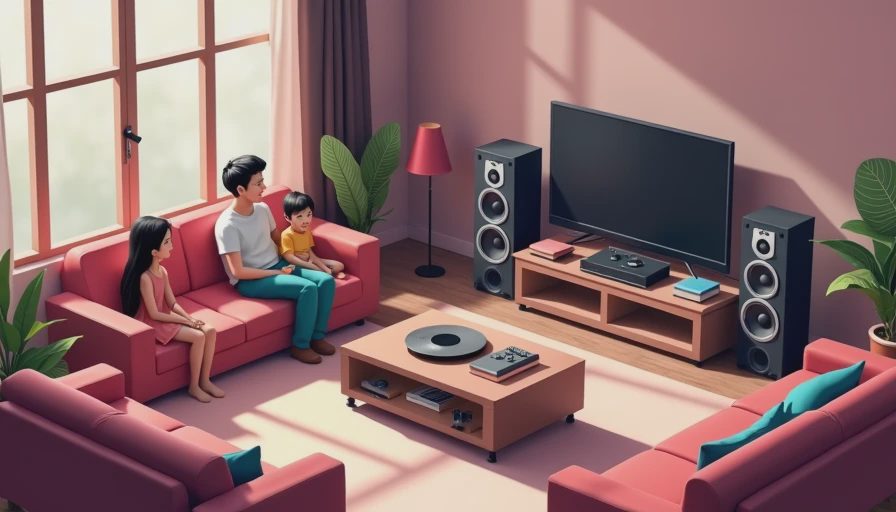
Open floor plans make audio planning more demanding. One loud speaker aimed across a large room often creates a hot spot near the source and weak sound farther away. Several properly placed speakers at lower volume usually produce a more even result. People can talk comfortably, and music does not need to compete with every conversation.
Hard surfaces affect the experience as well. Stone counters, glass, plaster, and large windows reflect sound, while rugs, curtains, upholstered furniture, and bookshelves absorb and scatter it. You do not need to turn a home into a recording studio, but the room itself should be considered. In a bright, reflective kitchen, even coverage and moderate volume are often more important than maximum bass.
For a dedicated listening space, the priorities change. Speaker spacing, toe-in, seating distance, subwoofer placement, and room correction deserve more attention. A stereo system can be musically engaging without being expensive, but it needs to be matched to the room rather than selected from a specification sheet.
Avoid the year-three failure points
The systems people stop using tend to have predictable problems. The app is slow. The remote is missing. A speaker is too loud in one seat and inaudible in another. The equipment rack overheats. Nobody knows how to add a new streaming account. These are design and commissioning failures, not inevitable technology problems.
Before handoff, test the system from ordinary positions in the home. Stand at the kitchen island, sit on the sofa, walk through the hallway, and use the controls without an installer standing beside you. Confirm that sources reconnect, grouped rooms stay synchronized, and a power outage does not leave the system in a confusing state.
Document the wiring, equipment, network settings, and room names. Leave the homeowner a short operating guide written in normal language. A future service technician should be able to identify every amplifier and cable without opening walls. That documentation often saves more time than a marginal equipment upgrade.
A practical starting plan
If you are still in design, make a room-by-room audio schedule. Record the room purpose, desired listening style, speaker type, control location, network connection, and equipment access. Then review it with the lighting, electrical, millwork, and interior design plans together. This catches conflicts while they are inexpensive to solve.
For many homes, the right answer is a layered stereo system: visible or architectural speakers in the rooms where music matters, discreet distributed audio in circulation spaces, and prewired flexibility elsewhere. You do not need identical equipment in every room. You need consistent control, reliable infrastructure, and sound appropriate to each space.
That approach is less flashy than filling a house with gadgets, but it performs better after the novelty fades. Plan the listening experience first, wire for the future, and make daily control almost effortless. When the system works, it becomes part of the home rather than another device demanding attention.