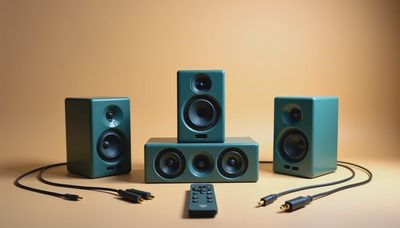
Sounds and systems are easy to separate during a renovation. The architect focuses on proportion, the electrician focuses on power, and someone adds speakers after the drywall is already closed. That sequence produces audio that technically works but feels like an afterthought. A better approach treats sound as part of the home’s infrastructure, alongside lighting, climate, shades, and security.
I have seen this distinction play out in homes across Los Angeles. A family may begin by asking for music in the kitchen, then realize they also want a quiet house at night, television audio that does not dominate the room, and a way to pause every speaker when the doorbell rings. Those are not separate gadget requests. They are system decisions that should be made before rough-in.
Start With How the House Should Feel
The first planning question is not which speaker to buy. It is where sound should be present, where it should be controlled, and where silence matters more. A kitchen usually benefits from even, low-volume coverage because people move around while cooking. A media room needs controlled direction and impact. A bedroom may need only a discreet ceiling speaker, or none at all.
Sounds and systems work best when the listening experience matches the room. In an open Silver Lake renovation, for example, the kitchen, dining area, and living room may share one architectural volume but serve different activities. If every speaker plays at the same level, conversation becomes tiring. Room-by-room volume control lets music follow the activity without turning the entire floor into a single loud zone.
This is also where aesthetics become practical. A well-placed in-ceiling speaker can disappear into a finished ceiling, but placement still matters. Speakers tucked behind beams, too close to walls, or clustered at one end of a room create uneven coverage. More speakers at a lower level often sound better than fewer speakers pushed hard.
Wiring Is the Decision You Cannot Easily Revisit
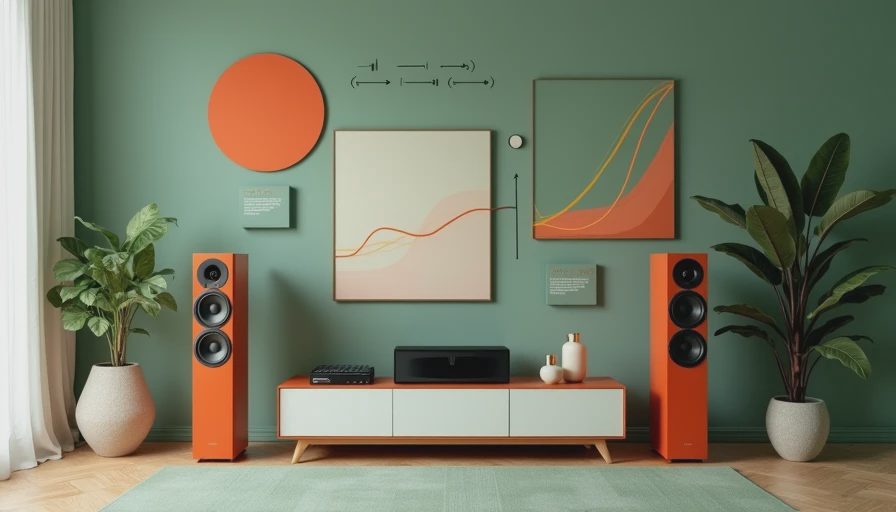
Once walls are closed, changing the audio plan becomes expensive and disruptive. During construction, the useful work is not simply pulling a cable to each speaker. It is mapping the system: speaker locations, equipment racks, network connections, television positions, control keypads, and possible future zones.
Use a dedicated, accessible location for core equipment rather than scattering amplifiers and streaming devices across cabinets. That location needs ventilation, power, network connectivity, and enough room for service. A rack buried in a hot closet can operate on day one and become unreliable by year three. I would rather see a modest, organized equipment area than an impressive collection of components with no path to maintain them.
Sounds and systems also depend on a stable network. Streaming audio, mobile control, security notifications, and automated scenes all compete for connectivity. Wireless speakers can be useful in an existing home, but a major remodel is the opportunity to provide wired infrastructure. Speaker wire is relatively simple to install while framing is open; troubleshooting an intermittent wireless connection after move-in is not.
Plan conduit to important locations as well. Technology changes faster than millwork and drywall. An empty pathway from the equipment area to a television wall or ceiling access point gives a future installer options without opening finished surfaces.
Choose the Right Control Model
The most successful sounds and systems are controlled without requiring a technical explanation. A homeowner should be able to start music, lower the volume, and pause the entire house from a familiar interface. That might be a wall keypad, a phone, a tablet, or voice control. The right answer depends on the household, but every control method should reflect the same underlying logic.
I prefer controls that are attached to real routines. A single button near the entry might turn off selected lights, adjust the thermostat, arm security, and stop audio in public rooms. A bedside control can turn off the house without requiring a phone search in the dark. These scenes are valuable because they remove decisions at moments when people are already leaving, sleeping, or arriving home.
Avoid building a control experience around a long list of independent applications. If the audio requires one app, lighting another, shades a third, and security a fourth, the home is still asking the resident to manage technology. Integration is not about putting every device on one screen. It is about making common actions predictable.
That principle applies to guests, too. A visitor should be able to adjust music without accidentally changing a lighting scene or exposing a complicated settings menu. Good design stays available when needed and invisible the rest of the time.

Treat Television Audio as Part of the Room
Television sound is often handled separately from whole-home audio, and that creates avoidable compromises. A thin television mounted over a fireplace may look clean while placing its speakers in a poor acoustic position. In a living room, a soundbar can be the right simple solution. In a dedicated media room, a more complete speaker layout may justify the additional design and calibration.
Sounds and systems should keep television audio from competing with music zones. The controls should make it clear which source is active and where it is playing. A movie in the family room should not automatically interrupt a podcast in the kitchen unless that behavior was intentionally designed.
Acoustics deserve attention before equipment arrives. Hard floors, glass, and large unbroken walls create reflections that make dialogue less intelligible. Rugs, curtains, upholstered furniture, and correctly positioned speakers can do more for everyday listening than an expensive amplifier. During design review, I look at the room’s surfaces and seating positions before discussing specifications.
What Usually Fails After Move-In
The systems that fail in practice are not always the ones with the cheapest hardware. They are often the systems with unclear ownership, excessive complexity, or no service plan. A homeowner may enjoy sixteen audio zones during the first week and use only four after the novelty fades. That is not a failure if the four zones are the ones that matter. It is a failure if the unused complexity makes the entire experience harder.
Another common problem is placing controls where furniture later blocks them. A keypad behind a tall cabinet is technically installed but functionally absent. Similarly, a speaker zone that spans several rooms may seem efficient until one person wants quiet while another wants music. Room boundaries should follow actual behavior, not just the electrical plan.
Sounds and systems need documentation as well. Label speaker wires, network connections, amplifiers, and control locations. Keep a current drawing or digital record of equipment and settings. When a component is replaced several years later, that information can turn a simple service call into a straightforward repair.
A Better Planning Sequence
Begin with a room-by-room conversation about use, not products. Mark where people sit, cook, work, entertain, and sleep. Identify the rooms that need music, television audio, announcements, or quiet. Then decide which actions should be available from walls, phones, voice control, or automated scenes.
Next, coordinate the audio plan with reflected ceiling plans, lighting layouts, HVAC registers, cabinetry, and structural elements. Speaker placement that looks perfect on a blank floor plan may conflict with a beam or land directly above a recessed light. Coordination before framing prevents compromises later.
Finally, commission the system as a whole. Set practical volume limits, name zones clearly, test network coverage, and walk through normal routines with the homeowner. Sounds and systems should be judged at breakfast, during a movie, while leaving for work, and when the house needs to become quiet—not only during a dramatic demonstration.
The best result is not a home filled with equipment. It is a home where music arrives evenly, television dialogue is clear, controls make sense, and technology supports the architecture instead of competing with it. Plan the infrastructure early, reduce unnecessary complexity, and let the finished system disappear into daily life.